
If you own a home in Terrell TX, it sits on one of two types of foundations: a concrete slab or a pier and beam system. Understanding the difference matters — because each type fails differently, shows different warning signs, and requires different repairs. Here’s what Kaufman County homeowners need to know.
What Is a Slab Foundation?
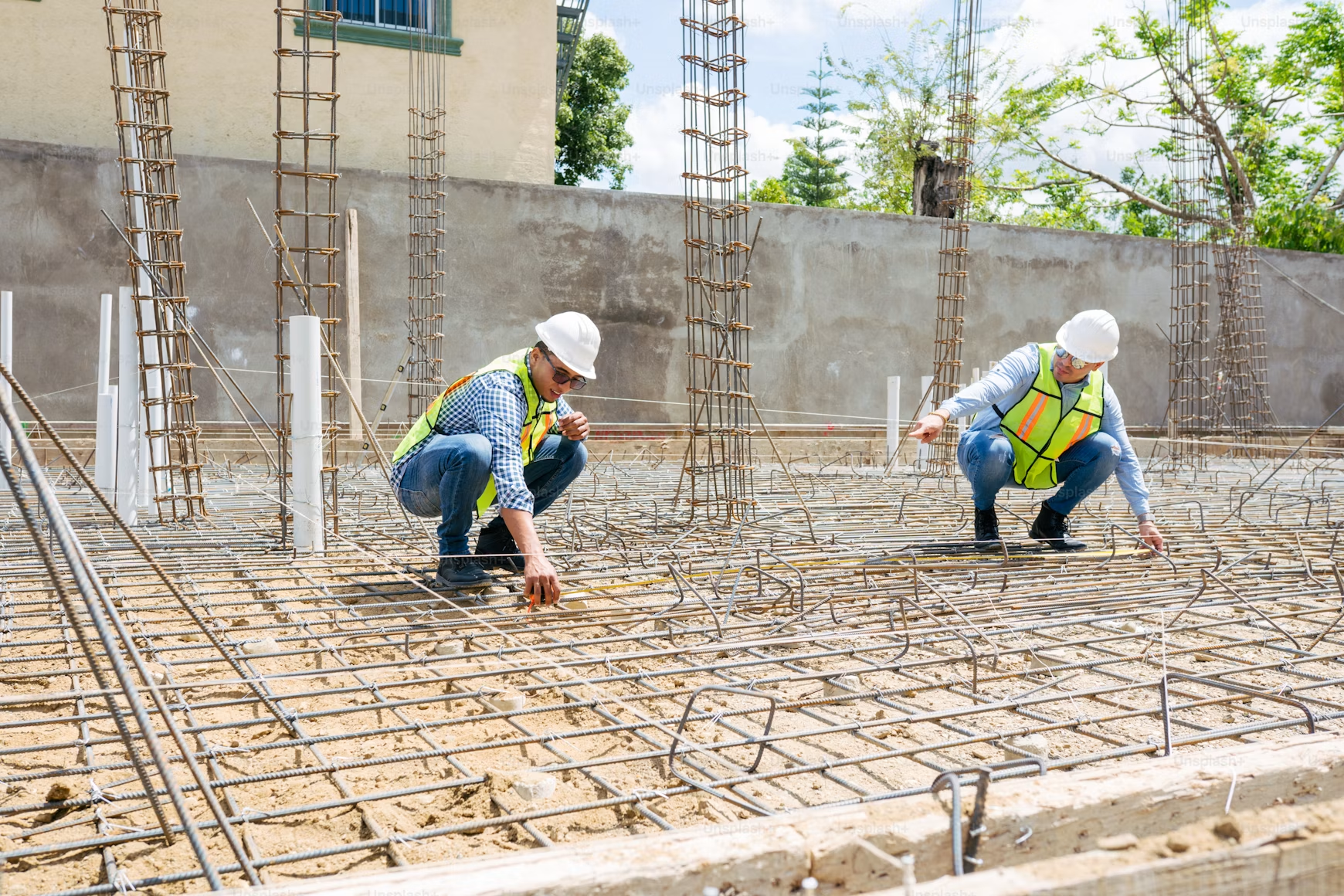
A slab foundation is a single continuous layer of reinforced concrete — typically 4 to 6 inches thick — poured directly on prepared ground. Most homes built in Terrell, Forney, and Kaufman after the 1960s use slab construction. It’s the dominant foundation type in modern Texas residential construction.
Advantages of slab foundations:
- Lower initial construction cost
- No crawl space for moisture, pests, or rodents
- Less long-term maintenance under normal conditions
- Good performance in stable soil
Disadvantages of slab foundations:
- Plumbing runs beneath the slab, making leaks expensive to detect and repair
- Highly vulnerable to cracking from Kaufman County’s expansive clay soil
- Repairs require drilling through concrete or accessing from the perimeter
- Damage can be harder to detect visually until it’s advanced
What Is a Pier and Beam Foundation?
Pier and beam foundations (also called post and beam) elevate the home off the ground using a grid of concrete, steel, or wood piers. The floor system rests on top of these piers, creating a crawl space beneath the home. Most homes in Terrell built before the 1960s use pier and beam construction.
Advantages of pier and beam foundations:
- Easy access to plumbing and electrical through the crawl space
- Repairs are often less invasive and less expensive than slab repairs
- Piers can be adjusted or shimmed to re-level the floor
- More forgiving in areas with significant soil movement
Disadvantages of pier and beam foundations:
- Crawl space accumulates moisture, which rots wood and attracts pests
- Requires proper ventilation and ongoing maintenance
- Wood components are vulnerable to termite damage
- More components means more potential failure points
How Kaufman County’s Clay Soil Affects Both Foundation Types
Kaufman County sits on some of the most expansive clay soil in the state. When summer heat dries the ground, the clay contracts and pulls away from your foundation. When fall rains arrive, it swells back — sometimes with enough force to lift a concrete slab.
Slab foundations develop cracks, pop up in the middle (called dome failure), or drop at the perimeter as the soil beneath them shifts. The most common repair is steel or helical pier installation to anchor the slab to stable soil deeper in the ground.
Pier and beam foundations experience pier settling, beam rot, and moisture damage. The most common repairs are adding or replacing piers, sistering damaged beams, and improving crawl space drainage and ventilation.
Which Foundation Type Is More Expensive to Repair?
Pier and beam repairs are generally less expensive because contractors can work through the crawl space without breaking concrete. Slab repairs involving pier installation are more labor-intensive and often cost more per linear foot of affected foundation.
Signs of Trouble in Each Foundation Type
Slab foundation warning signs:
- Diagonal cracks in drywall, especially near door and window corners
- Doors and windows that stick or won’t close properly
- Visible cracks in the slab in garage or utility areas
- Uneven floors — particularly a hump in the center of the home
Pier and beam warning signs:
- Bouncy, soft, or sloping floors
- Visible moisture, mold, or standing water in the crawl space
- Wood rot smell coming from beneath the home
- Gaps between the floor and baseboards
When to Call a Foundation Specialist in Terrell TX
Call (903) 505-6230 or fill out our contact form for a free foundation inspection in Terrell TX. We serve Terrell, Forney, Kaufman, Wills Point, and all of Kaufman County.
Now that you know your foundation type, you’re probably wondering what repairs might cost. See our detailed guide on How Much Does Foundation Repair Cost in Terrell TX? You should also know the warning signs specific to your foundation type — read 5 Warning Signs Your Terrell TX Home Needs Foundation Repair to know what to watch for.
Frequently Asked Questions — Pier and Beam vs Slab in Terrell TX
Which foundation type is better for Terrell TX?
Neither is universally better — both perform well when properly maintained. Slab foundations are more common in newer construction because they’re less expensive to build. Pier and beam foundations offer easier access for repairs, which can be an advantage in Kaufman County’s challenging soil.
How long do pier and beam foundations last in Texas?
A well-maintained pier and beam foundation can last 75–100 years. The key is controlling moisture in the crawl space and inspecting wood components regularly for rot and pest damage.
How long does a concrete slab foundation last in Terrell TX?
Concrete slabs in good condition can last the lifetime of the home — 50 to 100+ years. However, Kaufman County’s clay soil means most slab homes will need some level of foundation maintenance or repair during that time.
Is it safe to live in a house with foundation problems?
In most cases, yes — foundation damage is rarely an immediate safety emergency. However, severe structural movement can eventually affect load-bearing walls and plumbing. Getting an inspection promptly is the right move.
Whether you have a slab or pier and beam foundation, a free inspection will tell you exactly what’s happening and what it will take to fix it. Our specialists work with both foundation types throughout Terrell, Forney, Kaufman, and Wills Point.
No pressure. No obligation. Most inspections scheduled within the week.
Call us directly: (903) 505-6230 or visit our Contact page to request your free inspection.

